Pain after Limb Amputation and Residual Limb Pain
Pain after limb amputation is a common complication that affects many people who have undergone amputation. It has to be actively managed to optimise function in the remaining limb, otherwise it will become an insurmountable obstacle in rehabilitation and returning back to normal life.
What are cause of pain after limb amputation
During the standard amputation, the nerves which served the amputated limb are cut and left freely in the tissues of the stump. Following the amputation the brain stops receiving signals from the amputated limb and a complex process of brain to deal with this lack of feedback starts. The patients often have feelings of warmth, cold, pressure, itching or tingling which are perceived as if they were coming from the amputated limb. These feelings are called phantom limb sensations. They may be unpleasant but not necessarily painful and tend to improve with time. A proportion of people who underwent the limb amputation, however, suffers from pain which can be a combination of the following causes:
- Phantom limb pain
- Neuroma pain
- Soft tissue stump pain – caused by an unsatisfactory scar, lack of soft tissue to cover the underlying bone or skin conditions affecting the stump (ulcerations, stump dermatitis or infections)
In this short article we will focus on the first two causes of the pain.
Phantom Limb Pain
What is phantom limb pain?
Phantom limb pain is a pain felt in the missing part of the limb after it has been amputated. About 75-80% of amputees experience this type of pain at some point after the amputation. The pain may be severe enough to disrupt sleep, cause low mood and decrease the quality of life.
What is the cause of phantom limb pain?
The exact cause of phantom limb pain is not well understood, but it is thought to be related to changes in the brain and nervous system that occur after amputation. Factors that may contribute to the development of phantom limb pain include the type and location of the amputation, the amount of pain experienced before the amputation, and the individual’s emotional and psychological state.
It has been observed that problematic neuromas in the amputation stump can contribute to developing of phantom limb pain, as after treatment of the neuromas the phantom limb pain improved as well.
What is the treatment of phantom limb pain?
Phantom limb pain can be challenging to manage. The severity and duration of the pain can vary from person to person. Some people may experience occasional, mild discomfort, but many have severe, chronic pain that significantly impacts their quality of life.
There are several approaches to treat phantom limb pain:
- painkillers effective against nerve-related pain
- specialised physiotherapy and mirror therapy
- psychological counselling
- spinal cord and brain stimulation by electric current or magnetic fields
- surgical treatment – targeted muscle reinnervation (read more here)
Can phantom limb pain be prevented?
After amputation surgery it is extremely important to undergo a thorough rehabilitation process including correct stump bandaging and shaping, desensitisation and physiotherapy to maintain movement in the remaining joints.
Targeted muscle reinnervation at the time of amputation or in the early postoperative period may also be successful in preventing or reducing development of the phantom limb pain.
Neuroma Pain
What is neuroma pain?
Neuroma pain in an amputation stump is also a common complication that can occur after amputation surgery. A neuroma is a benign growth of nerve tissue at the end of the cut nerve. Every cut nerve develops a neuroma, although not every neuroma is painful. When neuroma is compressed, either from the outside of the stump or by tissues on the inside of the stump it will become painful.
What is the difference between neuroma and phantom limb pain?
The neuroma pain is different from the phantom limb pain in that it is commonly felt in the stump rather than in the missing part of the limb. There may be areas on the stump when pressed or touched bring on the pain or worsen it and make the pain propagate up the remaining part of the limb or down to the missing part of the limb. The character of the pain is electric-shock-like, burning, tingling or shooting.
It is important to note that neuroma pain and phantom limb pain often exist together and neuroma pain may be driving the phantom limb pain.
What is the treatment of neuroma pain?
Several treatment options exist to treat neuroma pain:
- Medication to treat nerve-related pain
- Nerve blocks – injecting local anaesthetic to numb the nerve with the painful neuroma
- Physical therapy to improve mobility
- Surgical treatments
- Excision (cutting out) of the neuroma
- Relocation of the neuroma into another part of the sump
- Targeted muscle reinnervation
Conclusion
Pain in the amputation stump is a challenging problem which requires a team approach to deal with it. If you are experiencing pain after an amputation, it is important to discuss your symptoms with your healthcare provider to determine the best course of treatment for you. With the right approach, it is possible to manage the pain and improve your overall quality of life.
Make an Enquiry
Medically Reviewed by Mr Tomas Madura
 Mr Tomas Madura MD(Hons), PhD, FRCS(Plast), is a highly experienced Consultant Plastic Surgeon specialising in hand and peripheral nerve surgery, with over two decades in the medical field. He has been a Consultant at the Birmingham Hand Centre and Brachial Plexus and Peripheral Nerve Injury Service at the Queen Elizabeth Hospital in Birmingham since 2017. Mr Madura’s distinguished career includes a PhD in Neurobiology from Osaka University, multiple fellowships in reconstructive microsurgery and peripheral nerve surgery, and numerous contributions to research in the field of nerve injuries and paralysis.
He is a Fellow of the Royal College of Surgeons of Edinburgh and a full member of several prestigious organisations, including the British Association of Plastic Reconstructive and Aesthetic Surgeons and the British Society for Surgery of the Hand. Mr Madura has been recognised with the Syme Medal for outstanding contributions to surgical research.
For more information, please visit his About page.
DISCLAIMER: The information provided in this article is intended for general informational purposes only and should not be construed as medical advice, diagnosis, or treatment. The products and methods mentioned are not a substitute for professional medical advice from a trained healthcare specialist. Always seek the guidance of your doctor or other qualified health professional with any questions you may have regarding your health or a medical condition. Never disregard professional medical advice or delay in seeking it because of something you have read on this website. Use of the information and products discussed is at your own risk.
Cromwell Hospital
London
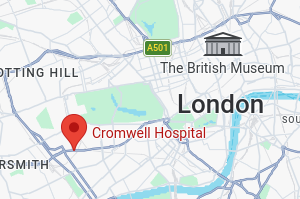
164-178 Cromwell Road, London, SW5 0TU, UK
The Harborne Hospital
Birmingham
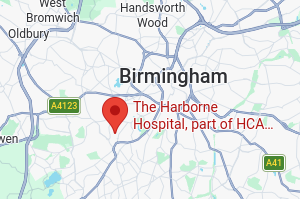
Mindelsohn Way, Birmingham, B15 2TQ, UK
Spire South Bank Hospital
Worcester
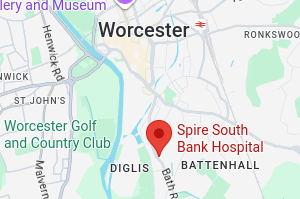
139 Bath Road, Worcester, WR5 3YB, UK