Cause of Numbness in Hands
Hand numbness can be a symptom of a variety of underlying conditions. Depending on the cause it can be intermittent or permanent and can range from mild to complete loss of feeling. It is important to understand the potential causes of hand numbness, as well as the symptoms that may accompany them, to help determine the underlying cause and receive appropriate treatment.
The following is the list of common causes of hand numbness.
1) Carpal tunnel syndrome
Carpal Tunnel Syndrome is one of the most common causes of hand numbness, which occurs when the median nerve in the wrist is compressed or pinched. This nerve runs from the forearm to the hand and controls movement and sensation in the thumb and first three fingers. Carpal Tunnel Syndrome can cause numbness, tingling, and weakness in the affected hand, which can be particularly noticeable at night or after repetitive hand motions. To read more about treatment click here.
2) Cubital tunnel syndrome
This is a condition that occurs when the ulnar nerve, which runs from the neck to the hand, becomes compressed as it passes through the elbow. This can cause numbness and tingling in the hand and fingers. More information about cubital tunnel syndrome treatment can be found here.
3)Thoracic Outlet Syndrome
This condition occurs when the blood vessels and nerves are compressed in the thoracic outlet – a space between the muscles in the base of the neck and the first rib.
4) Compressed nerves at other locations in the upper limb
Pinched nerves are another potential cause of hand numbness, which can occur when a nerve is compressed or squeezed by surrounding tissues, such as bones, muscles, or tendons. This can cause numbness, tingling, or pain in the affected area. Pinched nerves can occur in various areas of the body, including the neck spine (cervical spondylosis), shoulder, elbow, or wrist. Area of the numbness then depends on which nerve is compressed and the location of the compression point.
5) Nerve injury
It is very common to experience numbness following a nerve injury. After receiving the treatment there is an expectation of gradual improvement of the feeling, although it make take several months or up to two years, depending on the nerve injured and the location of injury. If there is however, no return of the sensation or the numbness is associated with pain, further treatment may be necessary. Further information regarding nerve injury treatment can be found here.
6) Peripheral Neuropathy
Peripheral Neuropathy is another common cause of hand numbness. This condition usually affects several nerves and can not only cause numbness but also tingling, burning sensations, pain and weakness. It can be an accompanying sign of several conditions
- diabetes – read more here
- alcoholism
- vitamin deficiencies such as Vitamin B12.
- Medications – cancer chemotherapy, certain heart and blood pressure-reducing medications
7) Raynaud’s Disease
Raynaud’s Disease is another potential cause of hand numbness. It is a condition that causes the blood vessels in the fingers and toes to narrow, which can lead to numbness and tingling. This condition is often triggered by exposure to cold temperatures or stress, and can cause the fingers to turn white or blue, and become cold.
8) Hypothyroidism
An underactive thyroid gland can cause nerve damage and lead to numbness and tingling in the hands and feet.
9) Guillain-Barré syndrome
Guillain-Barré syndrome is an autoimmune condition which leads to damage of the nerves throughout the body. The first symptom of Guillain-Barré syndrome is usually a tingling sensation in toes, feet, and legs. The tingling then spreads upward to arms and fingers.
If you are experiencing hand numbness, it is important to seek medical attention to determine the underlying cause and appropriate treatment. Depending on the cause, treatment options may include medication, physical therapy, surgery, or lifestyle changes to prevent further damage or injury. In addition, maintaining good hand and wrist health through proper posture, exercise, and prevention of injuries can help reduce the risk of hand numbness.
Make an Enquiry
Medically Reviewed by Mr Tomas Madura
 Mr Tomas Madura MD(Hons), PhD, FRCS(Plast), is a highly experienced Consultant Plastic Surgeon specialising in hand and peripheral nerve surgery, with over two decades in the medical field. He has been a Consultant at the Birmingham Hand Centre and Brachial Plexus and Peripheral Nerve Injury Service at the Queen Elizabeth Hospital in Birmingham since 2017. Mr Madura’s distinguished career includes a PhD in Neurobiology from Osaka University, multiple fellowships in reconstructive microsurgery and peripheral nerve surgery, and numerous contributions to research in the field of nerve injuries and paralysis.
He is a Fellow of the Royal College of Surgeons of Edinburgh and a full member of several prestigious organisations, including the British Association of Plastic Reconstructive and Aesthetic Surgeons and the British Society for Surgery of the Hand. Mr Madura has been recognised with the Syme Medal for outstanding contributions to surgical research.
For more information, please visit his About page.
DISCLAIMER: The information provided in this article is intended for general informational purposes only and should not be construed as medical advice, diagnosis, or treatment. The products and methods mentioned are not a substitute for professional medical advice from a trained healthcare specialist. Always seek the guidance of your doctor or other qualified health professional with any questions you may have regarding your health or a medical condition. Never disregard professional medical advice or delay in seeking it because of something you have read on this website. Use of the information and products discussed is at your own risk.
Cromwell Hospital
London
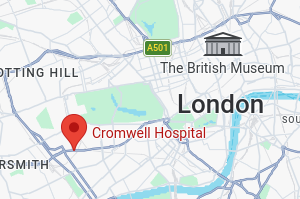
164-178 Cromwell Road, London, SW5 0TU, UK
The Harborne Hospital
Birmingham

Mindelsohn Way, Birmingham, B15 2TQ, UK
Spire South Bank Hospital
Worcester

139 Bath Road, Worcester, WR5 3YB, UK